Why I Don’t Just Photograph One thing
Photographers are often told they need to find a niche. Pick one type of photography, become known for it, and make it easy for people to understand exactly what you do.
From a business standpoint, I understand that advice. Clients want to know that the photographer they hire can produce the work they need. Having a specialty can make marketing easier and help build a recognizable body of work.
Creatively, though, I have never wanted to photograph only one thing.
I personally think working inside one very specific niche limits a photographer’s growth. Someone can become moderately competent at photographing the same subject under the same conditions, but the moment the light, location, equipment, or circumstances change, they don’t know what to do.
They know how to repeat a certain kind of photograph, but most of them do not understand photography with any real depth. Give them a different subject, unfamiliar equipment, difficult light, or a situation they cannot control, and a lot of them fall apart.
That may sound harsh, and I know there are plenty of award-winning photographers who have built incredible careers around one subject. There is value in that level of focus and dedication. It simply is not the kind of photographer I want to be.
I want to understand as much about photography as I possibly can.
I want to know how to photograph sports, people, buildings, wildlife, documentary moments, and whatever else catches my attention. I want to understand natural light, available light, strobes, and how to create light when the existing conditions are not enough. I want to shoot digital and film. I want to be able to walk into an unfamiliar situation and have enough knowledge to figure it out.
Every subject teaches me something different.
Sports photography teaches me anticipation. I have to watch the action develop, recognize where it may go next, and be ready for a moment that may only last a fraction of a second.
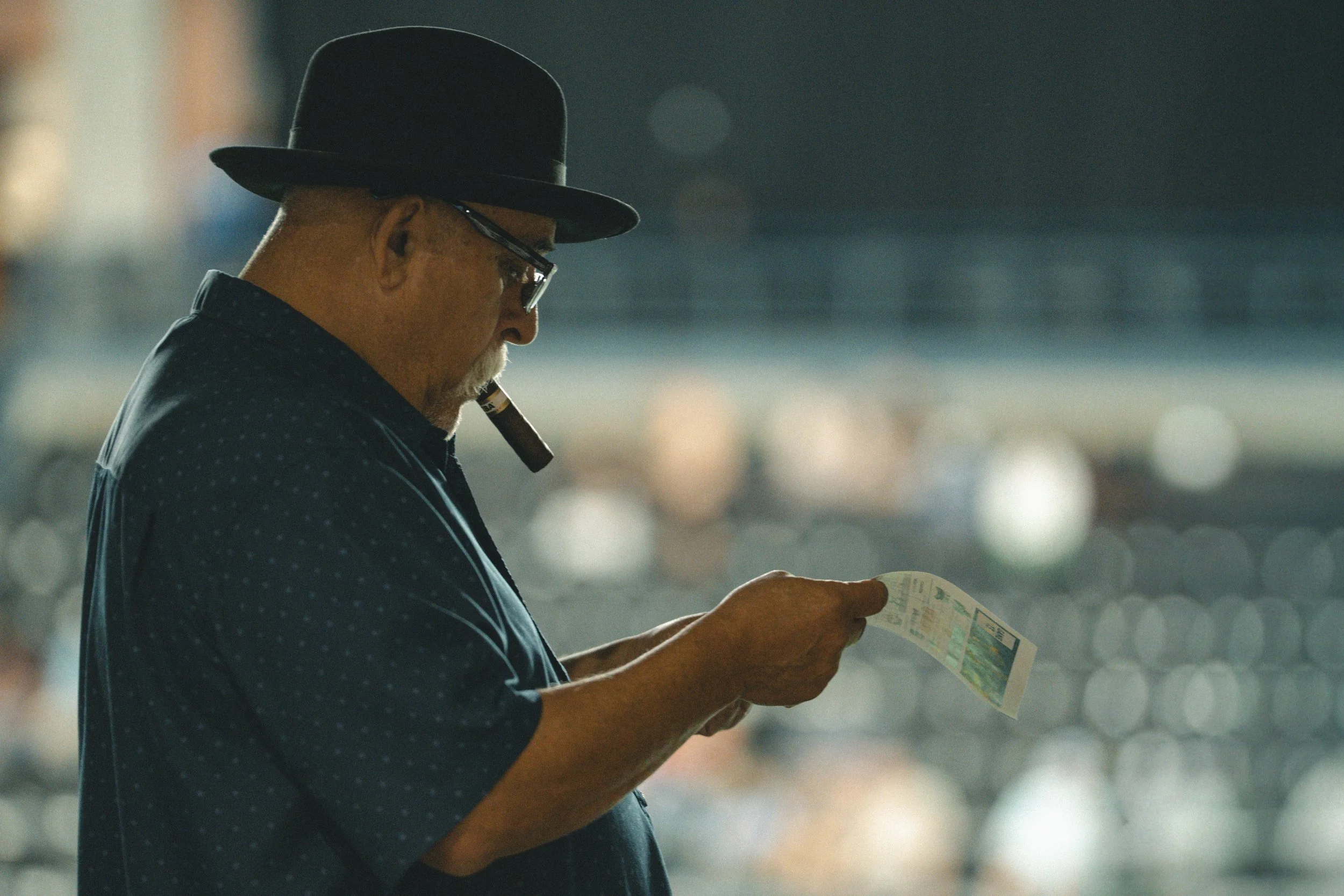
Photographing people teaches me to notice expressions, gestures, and the small things someone does when they are not thinking about the camera. Sometimes those unplanned moments say more about a person than a carefully posed portrait ever could.
Buildings, street scenes, and forgotten places make me pay attention to shape, color, light, and composition. There may not be a dramatic moment happening in front of me, so the photograph has to come from how I choose to see and arrange what is already there.
Working with strobes teaches me how to control light. Natural light teaches me how to adapt to something I cannot control. Film slows me down and forces me to be more intentional. Digital allows me to react quickly and experiment.
All of those things carry over into the next thing I photograph. What I learn while shooting sports may help me during a documentary. What I learn using strobes may help me understand natural light better. What I learn shooting film may make me more deliberate when I pick up a digital camera.
The subject changes, but what I am looking for usually stays the same. I am looking for something that makes me stop or makes me think. It may be a person, a moment, a shape, a certain kind of light, or simply a scene that feels worth remembering.
I do not want to become someone who only knows how to make one kind of photograph under perfect conditions. I want to be able to adapt when the plan changes, the light is terrible, the subject moves, or I am handed a situation I have never photographed before.
To me, photography should be an all-encompassing craft. There is too much to learn and too much to explore to place myself inside one small box.
Photography gives me a reason to remain curious. It allows me to explore different subjects, techniques, equipment, and ways of seeing the world. That curiosity is one of the main reasons I continue making photographs.
I do not photograph just one thing because I do not want to understand only one part of photography. I want to understand the entire craft as well as I possibly can.