Birding in Clarksville: When to Go and What to Look For
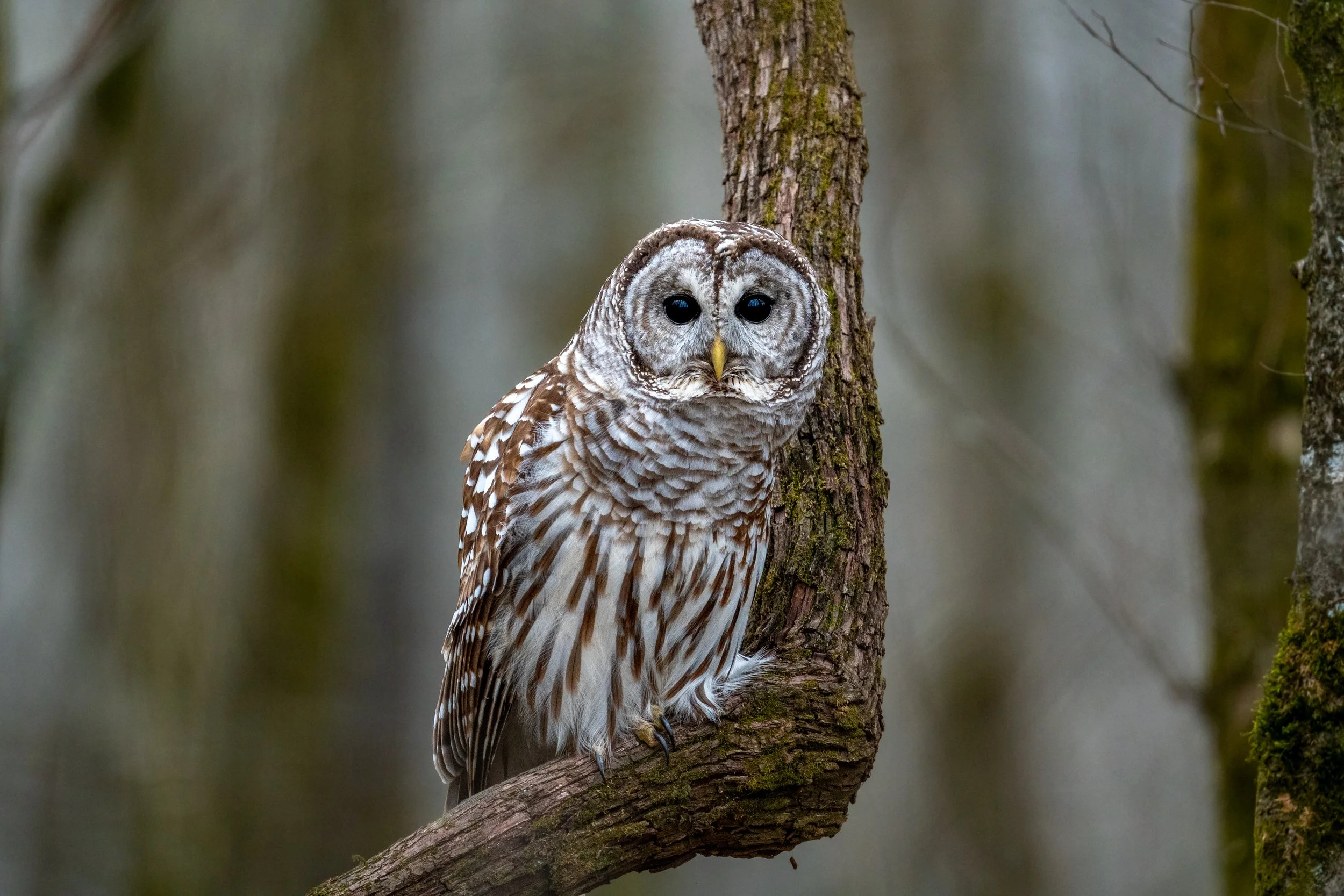
One of the things I enjoy about bird photography is that the same place can be completely different depending on the time of year. A trail that seems relatively quiet in January may be full of activity a few months later. Birds migrate through in the spring, summer residents return, young birds begin appearing, and then the process starts moving in the opposite direction again in the fall.
Clarksville has birds to photograph throughout the entire year, but some seasons definitely offer more opportunities than others.
Spring is probably the best overall time of year for birding in Clarksville. From roughly April through May, migration brings a variety of birds through Middle Tennessee that you may only have a relatively short window to see. Warblers, vireos, grosbeaks, buntings, and other songbirds begin moving through while many of our summer birds are also returning.
It is also one of the best times to simply listen. Once the leaves start coming back, finding a small bird high in a tree can become difficult. Learning their calls can often tell you what is nearby before you ever see it.
Summer is different, but still worth getting out. Migration has slowed down considerably, but resident birds and summer breeders are active. This is also when you begin seeing nesting behavior, adults carrying food, fledglings learning to move around on their own, and species that are much easier to find during the warmer months.
Summer birding does come with one obvious downside in Tennessee: the heat. Early mornings are usually my favorite time to go. The temperature is better, the light is softer for photographs, and birds tend to be more active than they are in the middle of the afternoon.
Fall brings another opportunity as migration begins moving south. September and October can be especially interesting because birds that passed through Clarksville in the spring may appear again on their way back toward their wintering grounds.
Fall can sometimes be more difficult than spring because many birds are quieter and some have lost the bright breeding colors that make them easier to identify. That is also part of what makes it interesting. You have to pay closer attention.
Winter may be the most overlooked season for birding.
There may not be as many brightly colored songbirds around, but winter brings its own opportunities. Winter also brings more opportunities for waterfowl, bare trees can make birds easier to spot, and the lack of leaves can completely change how you photograph an area you have visited throughout the rest of the year.
Clarksville also has several places that offer very different environments for birding.
Dunbar Cave State Park is one of the first places I think of. The combination of woods, trails, water, and open areas gives you a chance to see a good variety of species throughout the year.
Rotary Park is also worth visiting. The wooded trails provide a completely different experience from photographing around more open areas, and it is a place where simply walking slowly and listening can pay off.
For birds associated with water, Liberty Park gives you another option. Having several different habitats relatively close together is one of the advantages of birding around Clarksville. If one location is quiet, another may offer something completely different.
Shelton Ferry remains a hidden gem that is vastly overlooked. I’ve spent hundreds of hours here and had some incredible luck.
Some of my favorite photographs have been of birds I have seen hundreds of times. The difference may simply be better light, an interesting behavior, a cleaner background, or being in the right place for a fraction of a second.
You can walk the same trail repeatedly and never really have the same experience twice. The weather changes. The light changes. The seasons change. Birds arrive and disappear without much notice.
Knowing roughly when certain birds are moving through Clarksville gives me a better chance of finding them, but there is still no guarantee of what I will see when I leave the house with a camera.
The moral of the story is go outside and explore!