Why I Shoot Film
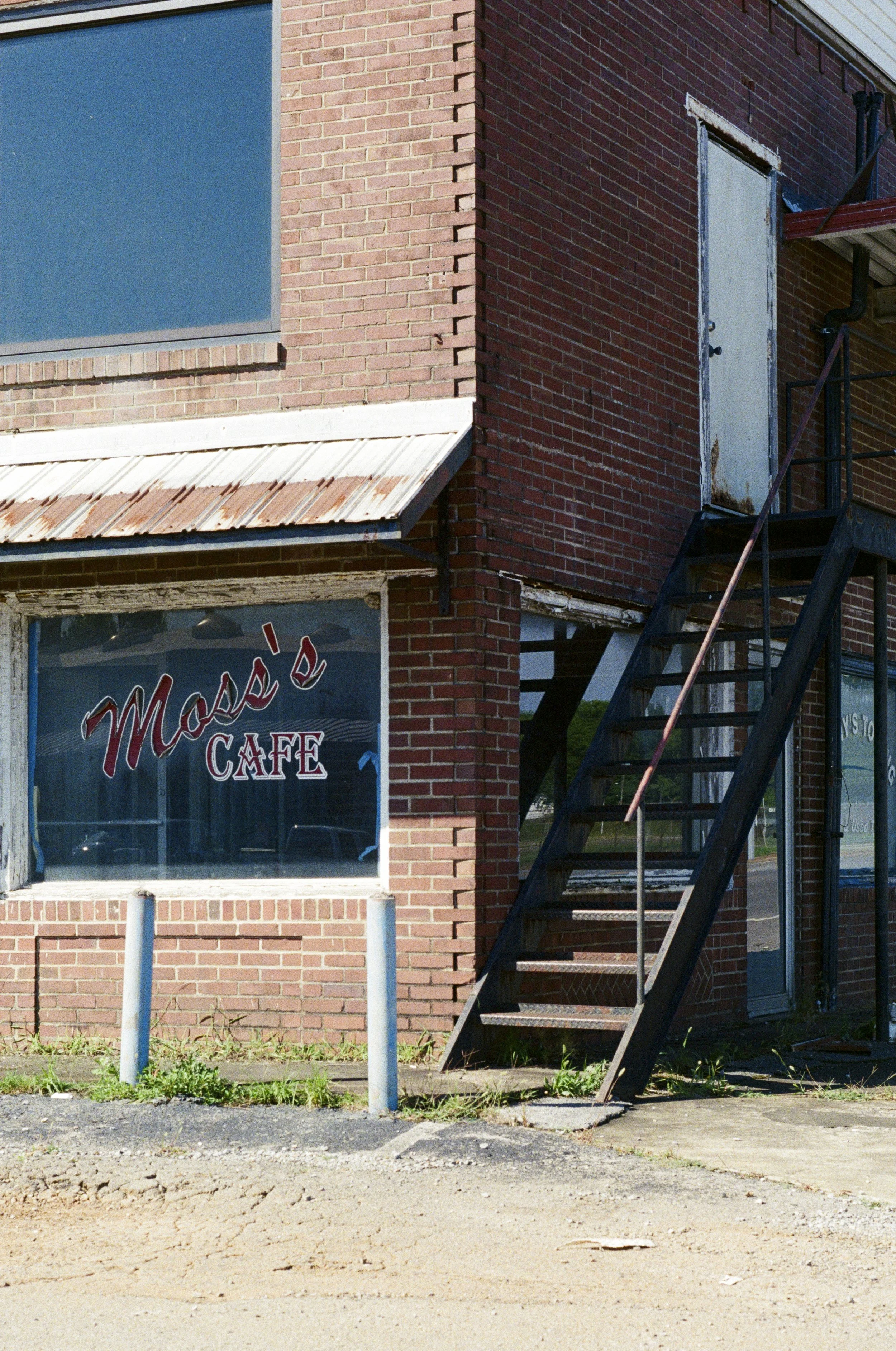
Film is an interesting topic, as many younger folks seem to be trending back toward analog things: vinyl, cameras, typewriters, and various other things that at one point seemed like they were nearly gone for good.
Film photography has certain drawbacks that modern digital photography simply does not have. With digital, I can take hundreds of photographs and know before I ever leave that I have what I need. I can immediately check focus and exposure, change my ISO whenever I want, and I have an incredible amount of latitude when editing the final image.
With film, I may shoot an entire roll, anywhere from 10 to 36 photographs depending on the camera, and only end up with 25% that I would consider good photographs. That can come from environmental factors, missing focus, a bad meter reading, or simply making the wrong decision when I pressed the shutter.
That is also part of what I like about it.
The advantage of film is that the entire process makes you take your time and actually work for those select photographs. Sometimes, by the time I get a meter reading, focus, compose the photograph, and finally press the shutter, the moment I originally wanted is already gone. It can be incredibly frustrating, but that frustration is also what makes it so intriguing.
You have to understand what the camera is doing.
That is something I think has been lost to a certain degree with modern digital photography. Today's cameras are incredible, but I am not convinced they are always the best tools for actually learning photography.
You can hand someone a decent modern camera, put it in an aperture priority or even auto, and they can start producing usable photographs almost immediately. With an electronic viewfinder, they can often see the exposure changing before they even take the photograph. If the image looks too dark, they turn a dial until it looks brighter. If it looks too bright, they turn it the other way.
They may be getting a usable photograph without really understanding why it works.
They may not know what their meter is telling them. They may not understand the relationship between aperture, shutter speed, and ISO. They may not understand why changing one affects the other or what those choices are doing beyond simply making the image brighter or darker.
I think there is a difference between knowing how to operate a camera and understanding photography.
Film makes it much harder to avoid learning those fundamentals. There is no electronic preview showing exactly what the photograph is going to look like. You have a meter, your settings, the light in front of you, and whatever knowledge you have accumulated. You make a decision and live with it until the film is developed.
Sometimes that means waiting days or weeks to find out that you were wrong.
I think there is value in that.
Missing a photograph because I misread the light teaches me something. Missing focus teaches me something. Looking at a negative and realizing I should have exposed it differently teaches me something. There is a consequence to each decision that makes me think a little harder the next time I raise the camera.
None of this means I believe film automatically makes someone a better photographer. It does not. A bad photograph on film is still a bad photograph, and shooting an old camera does not somehow make the work more meaningful.
I also have no desire to replace digital photography. I use digital constantly, and for the majority of my professional work it is unquestionably the better tool. It is faster, more reliable, more flexible, and allows me to work in conditions that would be considerably more difficult on film.
But that is not really why I shoot film.
I shoot film because I like having to think through the process. I like using a meter. I like manually focusing. I like knowing that I only have a limited number of frames and deciding whether something is actually worth photographing.
It also changes what I photograph.
When I have a film camera with me, I find myself stopping for things I might otherwise walk past. An old building, a gas meter, industrial equipment, a faded sign, or some strange combination of color and light can suddenly be worth one of those limited frames.
There does not always need to be a larger meaning behind it. Sometimes something just looks interesting and I want a photograph of it.
Then I wait.
Sometimes I get the scans back and wonder why I wasted a frame. Other times I find something I had almost forgotten photographing and end up liking it more than the photographs I was most excited about.
That uncertainty is part of the process.
I do not shoot film because I think photography was better before digital cameras. Modern cameras are incredible tools.
I shoot film because photography is something I want to understand with as much depth as possible. Film forces me to interact with the fundamentals in a way that modern cameras can sometimes allow us to bypass.
It makes me work a little harder for the photograph.
And I think there is still a lot of value in that.